|
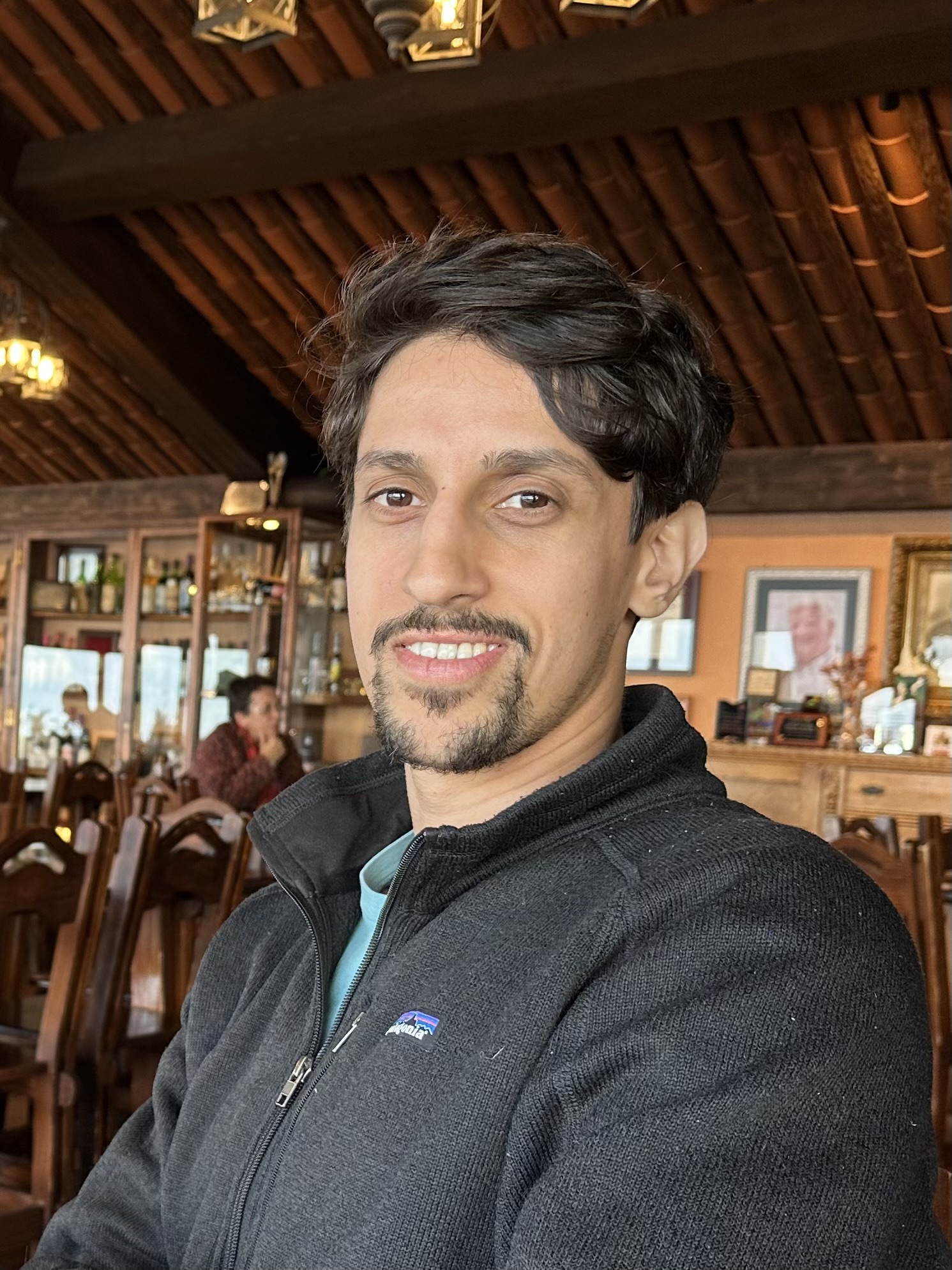
Dan Haramati
I am a PhD candidate in the Computer Science department at Brown University advised by Prof. George Konidaris
studying Reinforcement Learning. In this context, I am interested in generalization, world modeling and hierarchy with applications to robotics.
Happy to chat about research, feel free to reach out via email :)
Prior to pursuing my PhD I completed a M.Sc. in Electrical and Computer Engineering advised by Prof. Aviv Tamar
and a B.Sc. in Electrical Engineering and Physics at the Technion - Israel Institute of Technology.
Outside of research, I enjoy hiking, snowboarding, basketball and traveling.
Before beginning my academic journey, I spent two defining years traveling in East Asia, Europe and America.
Email /
Google Scholar /
Twitter /
LinkedIn /
Github /
CV
|
|
News
- Our work on Hierarchical RL with Temporally-extended Latent Action World Models recieved the Best Paper Award at the RLC 2026 Model-Based RL in the Era of Generative World Models Workshop.
- I gave a talk titled "Entity-centric Decision-making: a Factored Approach Towards Compositional Generalization" to the RPAD lab at CMU. (April 2026)
- HECRL and LPWM have been accepted to ICLR 2026 (LPWM as an Oral, top 1.2%).
- Hierarchical Entity-Centric Reinforcement Learning (HECRL) and Latent Particle World Models (LPWM) have been accepted to the World Modeling Workshop at Mila 2026 as Oral Presentations (top 7%).
- Excited to present our entity-centric decision-making line of work at RLDM 2025.
- Our paper on entity-centric diffusion-based behavioral cloning (EC-Diffuser) has been accepted to ICLR 2025.
- I have officially started my PhD at Brown University! (September 2024)
- Our workshop paper on decision-making with Deep Latent Particles has been accepted to the GenAI4DM Workshop at ICLR 2024.
- ECRL has been accepted to ICLR 2024 as a Spotlight (top 5%).
- Our paper on Entity-Centric Reinforcement Learning (ECRL) has been accepted to the GCRL Workshop at NeurIPS 2023 as a Spotlight Talk.
|
Selected Publications
|
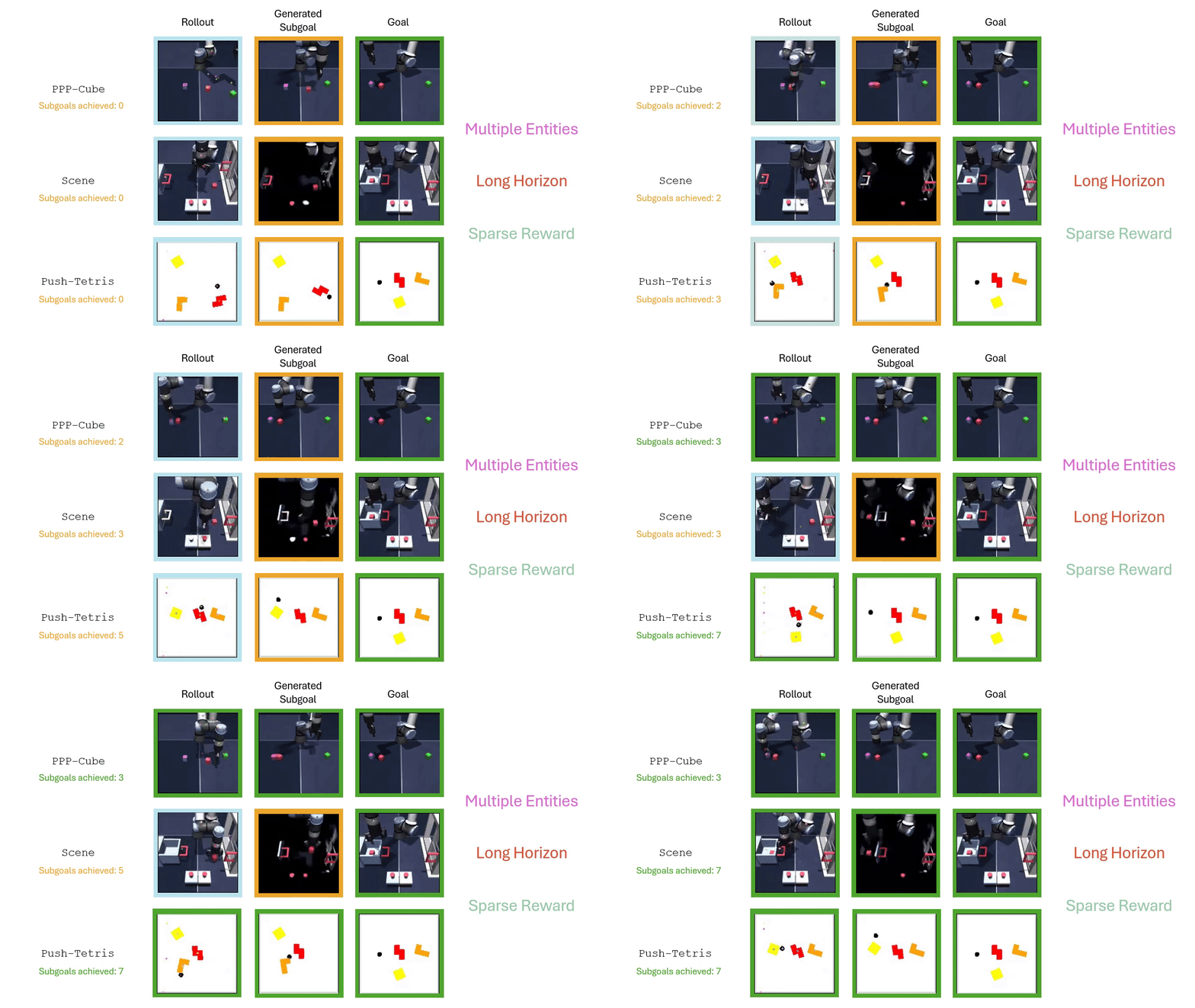
Hierarchical Entity-centric Reinforcement Learning with Factored Subgoal Diffusion
Dan Haramati,
Carl Qi,
Tal Daniel,
Amy Zhang,
Aviv Tamar,
George Konidaris
Fourteenth International Conference on Learning Representations (ICLR 2026)
World Modeling Workshop at Mila 2026 Oral (top 7%)
paper /
code /
project page /
talk
TL;DR: We present a hierarchical entity-centric framework for offline goal-conditioned RL that produces entity-factored diffusion-generated subgoals for an RL agent, yielding consistent performance gains on long-horizon, image-based, sparse-reward tasks.
|
|
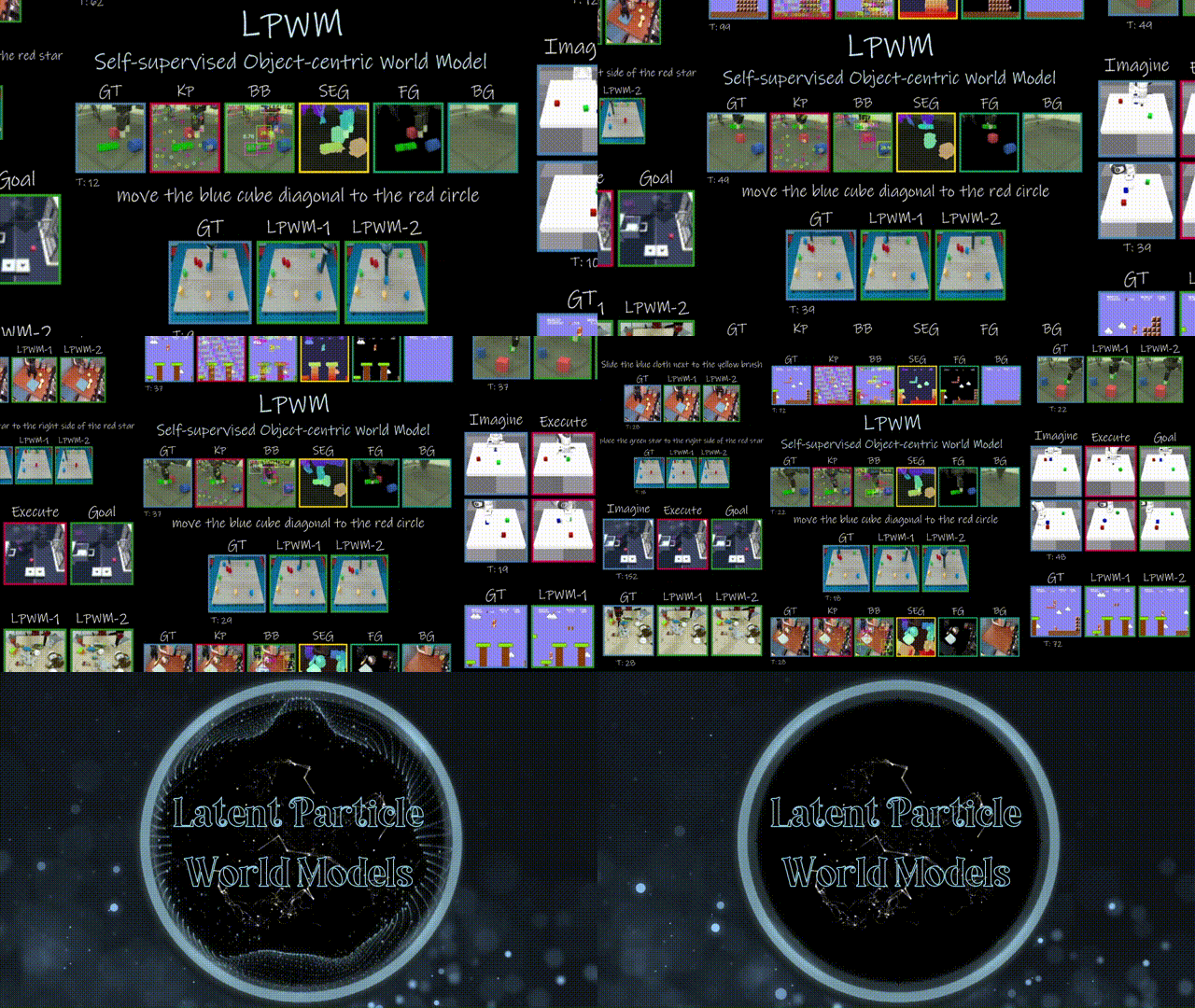
Latent Particle World Models: Self-supervised Object-centric Stochastic Dynamics Modeling
Tal Daniel,
Carl Qi,
Dan Haramati,
Amir Zadeh,
Chuan Li,
Aviv Tamar,
Deepak Pathak,
David Held
Fourteenth International Conference on Learning Representations (ICLR 2026) Oral (top 1.2%)
World Modeling Workshop at Mila 2026 Oral (top 7%)
paper /
code /
project page
TL;DR: We present a self-supervised object-centric world model that learns keypoints and masks directly from videos, supports multi-modal conditioning, scaled to real-world multi-object datasets.
|
|
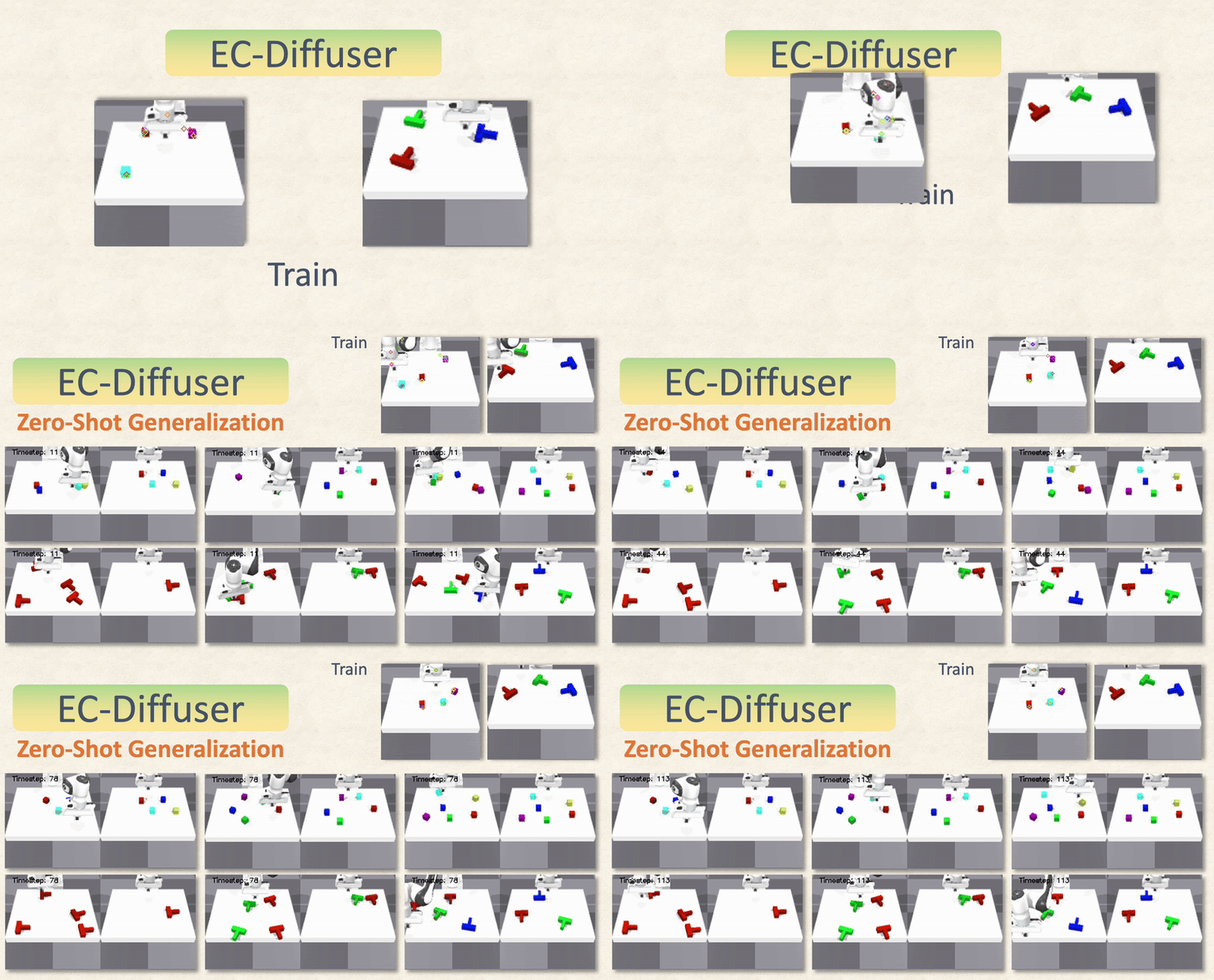
EC-Diffuser: Multi-object Manipulation via Entity-centric Behavior Generation
Carl Qi,
Dan Haramati,
Tal Daniel,
Aviv Tamar,
Amy Zhang
Thirteenth International Conference on Learning Representations (ICLR 2025)
paper /
code /
project page
TL;DR: We present a diffusion-based goal-conditioned behavioral cloning method that operates on object-centric representations, enabling zero-shot generalization to novel compositions of objects.
|
|
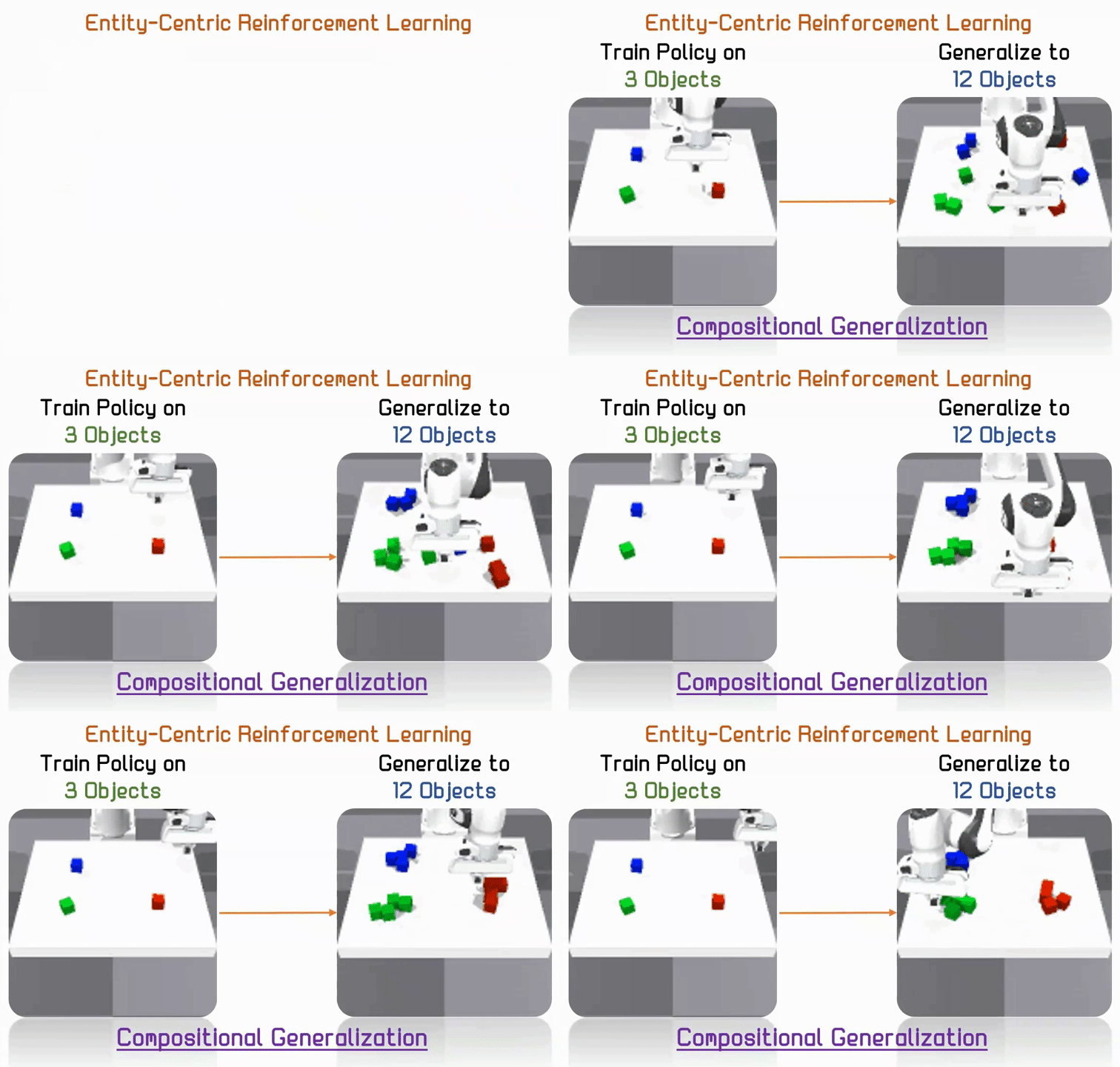
Entity-centric Reinforcement Learning for Object Manipulation from Pixels
Dan Haramati,
Tal Daniel,
Aviv Tamar
Twelfth International Conference on Learning Representations (ICLR 2024) Spotlight (top 5%)
Goal-Conditioned Reinforcement Learning Workshop, NeurIPS 2023 Spotlight Talk
paper /
code /
project page /
talk
TL;DR: We introduce a structured visual goal-conditioned RL framework for multi-object manipulation, demonstrating agents that generalize from 3 to over 10 objects.
|
|
|